Living with Wildlife
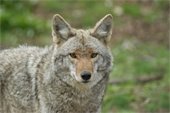
February is the peak of coyote mating season. Coyotes are a permanent fixture in Illinois rural, suburban and urban areas. Seeing a coyote cross a field, backyard, golf course, road, etc. does not necessarily constitute a problem or a dangerous situation for humans or domestic animals. Coyote population reduction is usually unrealistic and always temporary. By Illinois law, a coyote can only be removed if it is causing property damage, is a risk to human health or safety or creating a dangerous situation for humans or domestic animals. If removal of a coyote is deemed necessary, the Illinois Department of Natural Resources recommends hiring a Nuisance Wildlife Control Operator, who is licensed by the State of Illinois to remove the coyote from the area. Usually it is easier to change human behavior to control the coyote population in a community.
If you see a coyote:
Coyotes are wild animals. Do not try to pet or feed a coyote. If you see a coyote you are probably in the same place that the coyote is looking for food such as mice, rabbits and birds. Coyotes usually avoid people and do not bite except when they are cornered and afraid. If a coyote comes toward you, do not run. Yell, stand up straight, and wave your arms (the goal is to make yourself appear larger), or throw something at the coyote to make it move away (the goal is to scare it away, not to injure it).
For homeowners:
To help discourage coyote activity around the homes in your neighborhood, limit the availability of unintentional food sources. Don’t leave food outside for other wildlife such as bird food, and bring pet food dishes inside. Make sure ripe fruit is picked and garbage is secured in containers.
Keep a close eye on small children and pets whenever they are outside, especially at night. Consider using a dog run or fence to protect small pets.
For more information about coyotes in urban areas check out the Urban Coyote Project.




 Share on Facebook
 Share on Twitter
 Share via Email
